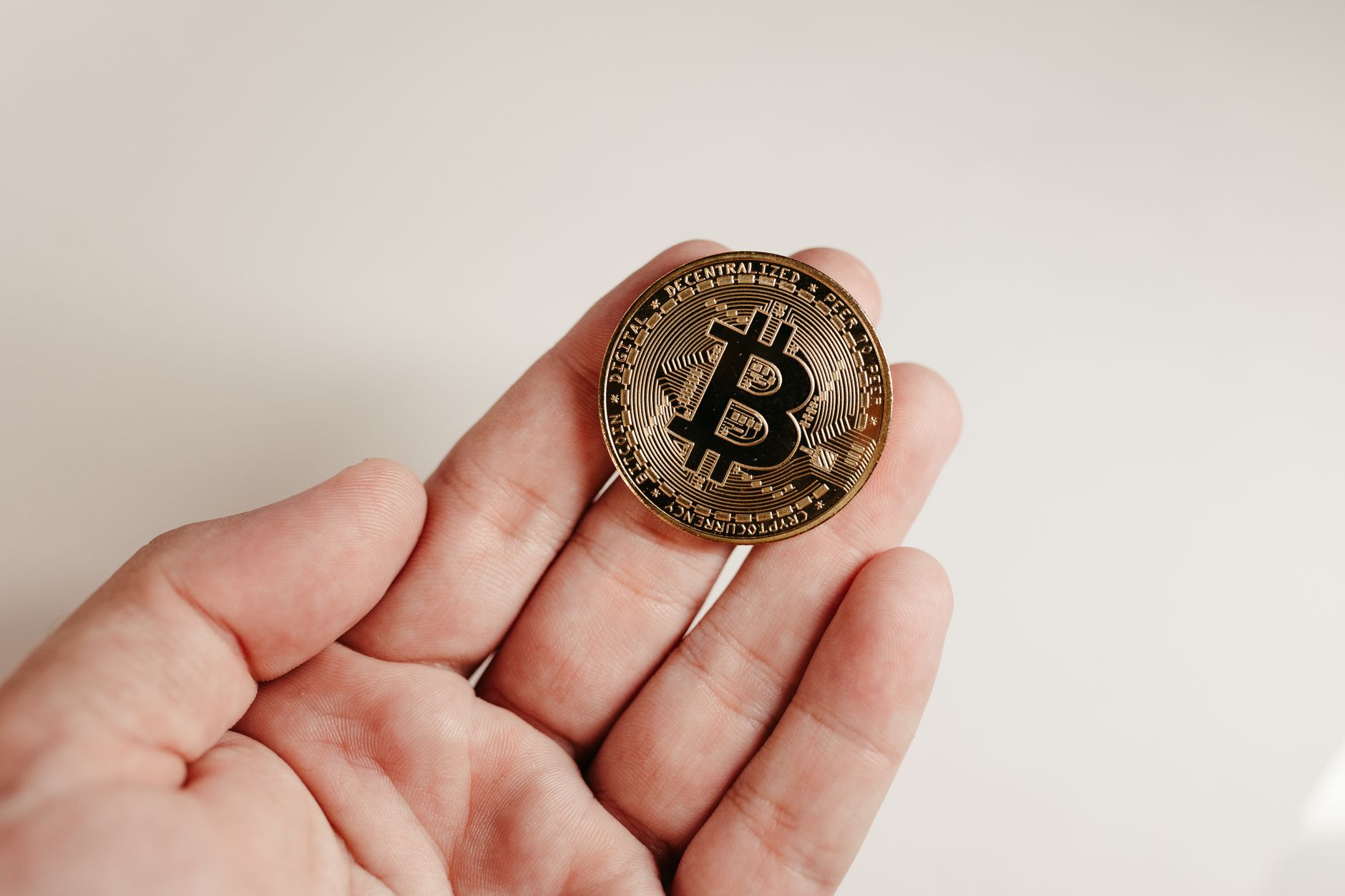
Funding Your Fun: Decoding Fiat-to-Crypto Conversions & Your First Deposit (Explained: Exchange Basics, Step-by-Step Guide, "Where's My Money?" FAQs)
Embarking on your cryptocurrency journey often begins with a fundamental step: converting your traditional fiat currency into digital assets. This process, known as a fiat-to-crypto conversion, is the gateway to acquiring Bitcoin, Ethereum, and countless other tokens. Understanding the basics of how this works is paramount. Initially, you'll need to choose a reputable cryptocurrency exchange – think of it as a digital bank where you can buy, sell, and trade cryptocurrencies. These exchanges act as intermediaries, facilitating the swap of your dollars, euros, or pounds for your chosen digital asset. We'll delve into the various types of exchanges, their fee structures, and what to look for when making your selection to ensure a secure and efficient transaction.
Once you've selected your exchange, the process of making your first deposit is surprisingly straightforward, though meticulous attention to detail is key. Our step-by-step guide will walk you through everything from KYC (Know Your Customer) verification – a crucial regulatory requirement – to linking your bank account or debit card. We'll cover common deposit methods, typical processing times, and potential associated fees. A frequent concern for newcomers is the question,
"Where's my money?"We'll address this by explaining how to track your deposit, what to expect during different processing stages, and provide a comprehensive FAQ section to alleviate any anxieties about missing funds or delayed transactions. Prepare to confidently navigate the initial financial hurdles of the crypto world!
Many people are drawn to the volatile world of cryptocurrency, and some even choose to gamble with crypto, hoping for high returns. However, it's crucial to remember that this comes with significant risks due to the unregulated nature and price fluctuations of digital assets.
Navigating the Blockchain: Wallet Wisdom & Securely Depositing Bitcoin (Practical Tips: Choosing a Wallet, Transaction Fees Explained, Common Deposit Pitfalls & How to Avoid Them)
Embarking on your Bitcoin journey requires a fundamental understanding of digital wallets. Think of a Bitcoin wallet not as a physical container, but as a software program that stores your private keys, which are essential for accessing and spending your cryptocurrency. Choosing the right wallet is paramount for security and convenience. Consider factors like security features (e.g., multi-factor authentication, seed phrase backups), ease of use, and whether it's a hot wallet (online, more convenient but less secure) or a cold wallet (offline, highly secure but less accessible). Popular options include hardware wallets like Ledger or Trezor for maximum security, or software wallets like Electrum or Exodus for a good balance of security and usability. Always prioritize wallets with a strong reputation and a proven track record.
Once you've selected your wallet, understanding the mechanics of depositing Bitcoin, including transaction fees, becomes crucial. When sending Bitcoin, a small fee is paid to network miners who validate and confirm your transaction. This fee fluctuates based on network congestion and the size of your transaction (in bytes). While higher fees can expedite confirmation, excessively low fees might lead to significant delays. Common deposit pitfalls include sending Bitcoin to the wrong address (irreversible!), using an outdated or incompatible wallet address, or overlooking the minimum deposit amount set by some exchanges. To mitigate these risks:
- Always double-check the recipient address
- Start with small test transactions for new wallets or platforms
- Be aware of any minimum deposit requirements.