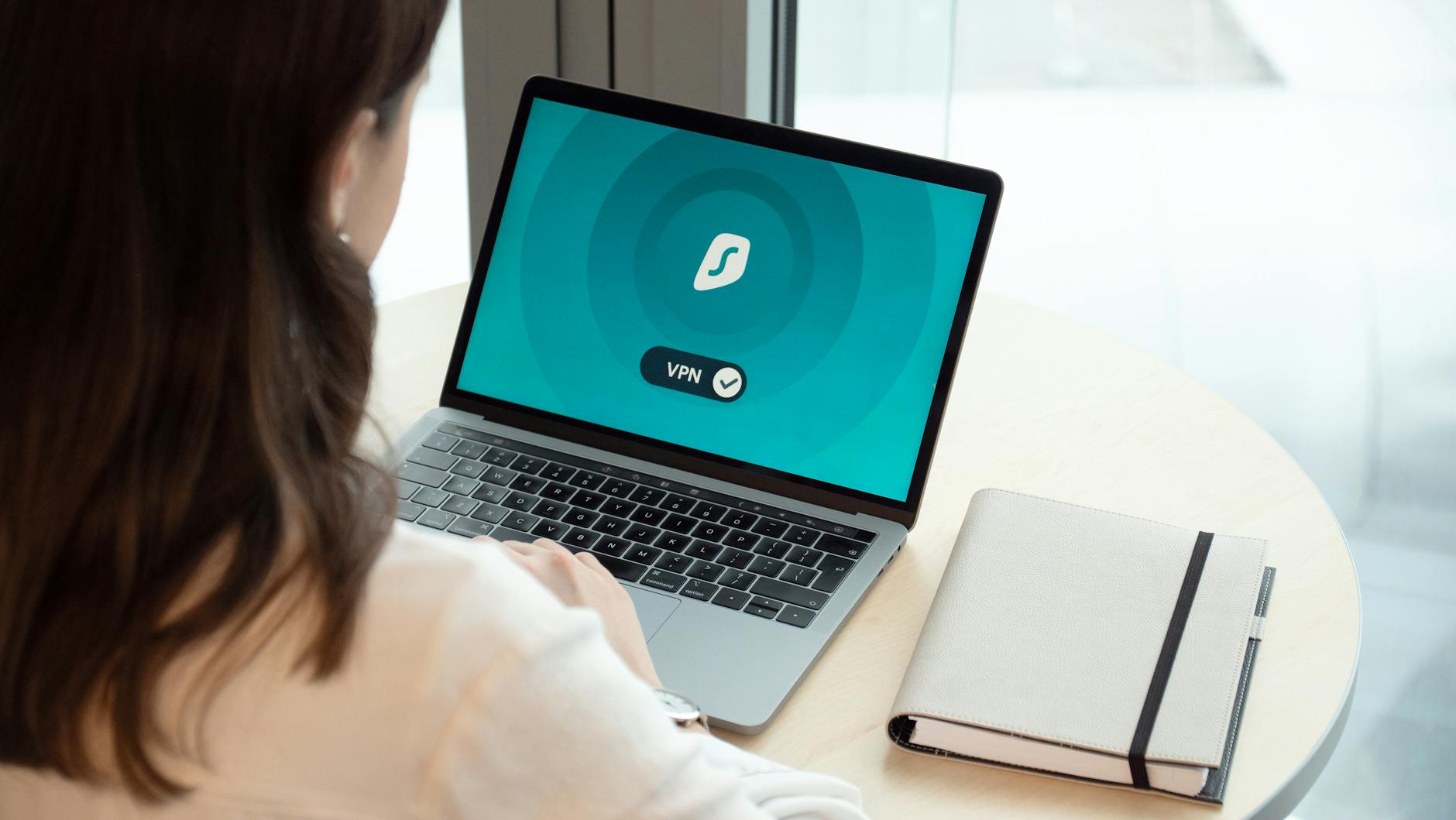
Free VPNs Without Signup: What They Are, How They Work, and Why They're Popular (But Be Wary!)
Free VPNs without signup are exactly what they sound like: virtual private networks that allow you to connect and browse the internet anonymously without the hassle of creating an account or providing personal information. Unlike their premium counterparts, these services often prioritize convenience, offering a quick and easy way to bypass geo-restrictions, encrypt your basic browsing, or test out the concept of a VPN. They typically operate through browser extensions, simple desktop applications, or even web-based proxy services. The underlying technology still involves routing your internet traffic through a remote server, masking your IP address and encrypting your data, but the key differentiator is the absence of any registration process. This immediate accessibility is a major draw for users seeking a no-strings-attached solution for casual, temporary privacy needs.
The popularity of free VPNs without signup stems from several factors, primarily their unparalleled ease of use and instant gratification. Users can immediately access content, protect their IP address, or bypass censorship with just a few clicks, eliminating the often-tedious signup forms and payment processes associated with paid services. This makes them ideal for:
- Quick access to geo-restricted content: Watching a specific video or accessing a website unavailable in your region.
- Basic privacy on public Wi-Fi: Adding a layer of encryption when connecting to unsecured networks.
- Testing the waters: Experiencing what a VPN can do before committing to a paid subscription.
However, this convenience often comes at a significant cost, as these services frequently have limitations on data, speed, and server locations, and more importantly, raise serious privacy concerns that users should be acutely aware of.
A free VPN extension can offer basic online privacy and security directly within your browser. While convenient, it's important to research their logging policies and limitations, as free services often come with compromises in speed or data usage.
Choosing and Using Anonymous No-Signup VPNs: Practical Tips, Security Trade-offs, and Common Pitfalls
When considering an anonymous no-signup VPN, understanding the practical tips for selection is paramount. Look for providers that explicitly state a no-logs policy, preferably validated by independent audits. Prioritize those offering a wide range of server locations and robust encryption standards like OpenVPN or WireGuard. It's also wise to check for a generous refund policy, allowing you to test performance and anonymity claims without significant financial commitment. Remember, 'no-signup' often means they accept cryptocurrency or gift cards for payment, further enhancing anonymity. However, be wary of free services, as they frequently recoup costs through data collection or intrusive ads, directly contradicting the very purpose of an anonymous VPN.
While the allure of a no-signup VPN is strong for privacy-conscious users, it's crucial to acknowledge the inherent security trade-offs and common pitfalls. One significant trade-off is the potential for slower speeds, as these services might not invest as heavily in infrastructure compared to subscription-based models. Furthermore, troubleshooting can be challenging without an account or dedicated support, leaving you to rely on community forums or limited FAQs. Common pitfalls include falling for fake VPN services or those with undisclosed logging practices; always verify claims through reputable reviews and security analyses. Lastly, remember that even the most anonymous VPN cannot protect you from malware or phishing attempts if you browse unwisely, so continue to practice good digital hygiene alongside your VPN usage.