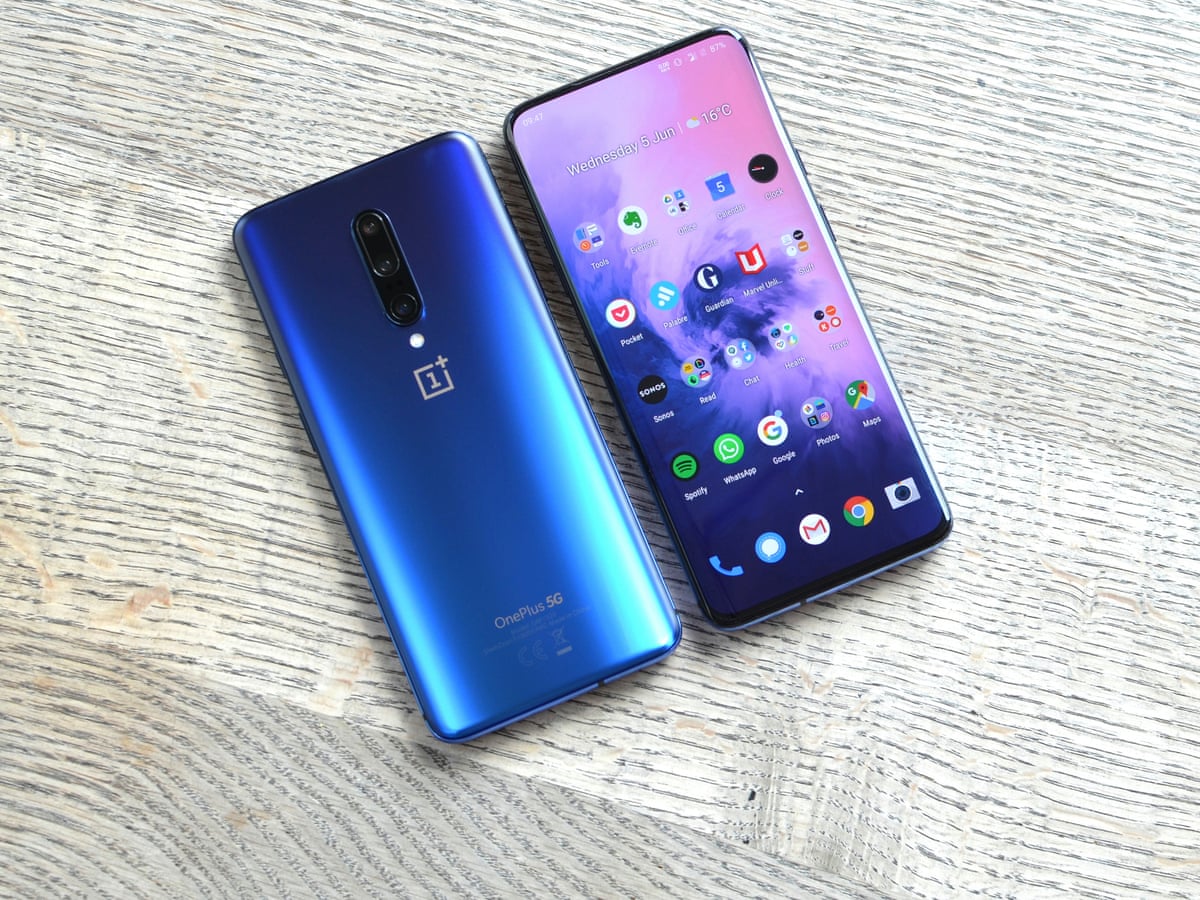
The Evolution of Smartphones: From Basic Phones to Smart Assistants
The journey of smartphones began in the early 1990s, with the introduction of basic mobile phones that could only make calls and send texts. These devices were typically bulky and limited in functionality. However, as technology advanced, features like cameras and internet connectivity started to appear. The launch of the first iPhone in 2007 marked a pivotal moment in the evolution of smartphones, as it introduced a user-friendly interface with a touchscreen and the ability to download apps, paving the way for the smart devices we use today. With this shift, the focus transitioned from mere communication functionalities to multimedia capabilities and app ecosystems.
Today, smartphones have evolved into smart assistants that not only help us stay connected but also manage our daily tasks. With integrated AI technologies, they can assist users in various activities, from setting reminders to controlling smart home devices. Voice assistants like Siri, Google Assistant, and Alexa exemplify this evolution, enabling hands-free control and instant access to information. As we continue to embrace advancements in AI and machine learning, the future of smartphones promises even greater integration into our daily lives, transforming them from basic communication tools into essential companions that understand and anticipate our needs.
Counter-Strike is a highly popular tactical first-person shooter game that has captivated gamers since its initial release. Players engage in team-based gameplay where they can choose to play as either terrorists or counter-terrorists, completing various missions and objectives. For those interested in enhancing their gaming experience, it’s important to consider accessories, much like selecting the Top 10 iphone camera lenses can improve photography. With its strategic depth and competitive nature, Counter-Strike continues to be a staple in the esports community.
10 Must-Have Apps for Maximizing Your Smartphone Experience
In today's fast-paced world, maximizing your smartphone experience is essential. With an avalanche of applications available in app stores, it's important to identify those that truly enhance your productivity and entertainment. Here are 10 must-have apps that can elevate how you use your smartphone:
- Evernote: A powerful note-taking app that helps you keep track of your ideas and tasks.
- Todoist: For managing your tasks and projects efficiently.
- Google Drive: An excellent solution for storing and sharing documents in the cloud.
- Slack: A versatile communication tool for teams that keeps collaboration organized.
- Spotify: For music lovers, gives access to millions of songs and podcasts.
- Calm: Helps manage stress and enhances focus through meditation and relaxation techniques.
- Duolingo: Makes learning a new language fun and accessible.
- Canva: A user-friendly graphic design app for creating stunning visuals.
- MyFitnessPal: Great for tracking your diet and fitness goals.
- Google Maps: Ensures you never get lost with its reliable navigation and local insights.
How Smartphones Have Changed the Way We Connect and Communicate
The advent of smartphones has transformed our interpersonal connections, redefining how we communicate in a digital age. Before their widespread adoption, communication was largely limited to face-to-face interactions or traditional methods like phone calls and letters. Today, with a smartphone in hand, we can connect with anyone around the globe in an instant. Various platforms such as social media, instant messaging apps, and video calls have emerged, allowing for more dynamic and immediate exchanges. According to recent studies, more than 90% of adults use smartphones to stay in touch with friends and family, showcasing the overwhelming influence of these devices on our communication habits.
Moreover, smartphones have made it possible to create and nurture relationships in ways that were previously unimaginable. Features such as voice messages, video sharing, and group chats enable users to convey emotions and thoughts more effectively than simple text. Surveys indicate that people feel more connected thanks to the ease of sharing experiences through photos and videos, fostering a sense of community. However, this shift also raises questions about the quality of these connections as more interactions move to digital platforms, leading to a debate on whether we are genuinely connecting or merely skimming the surface of social engagement.