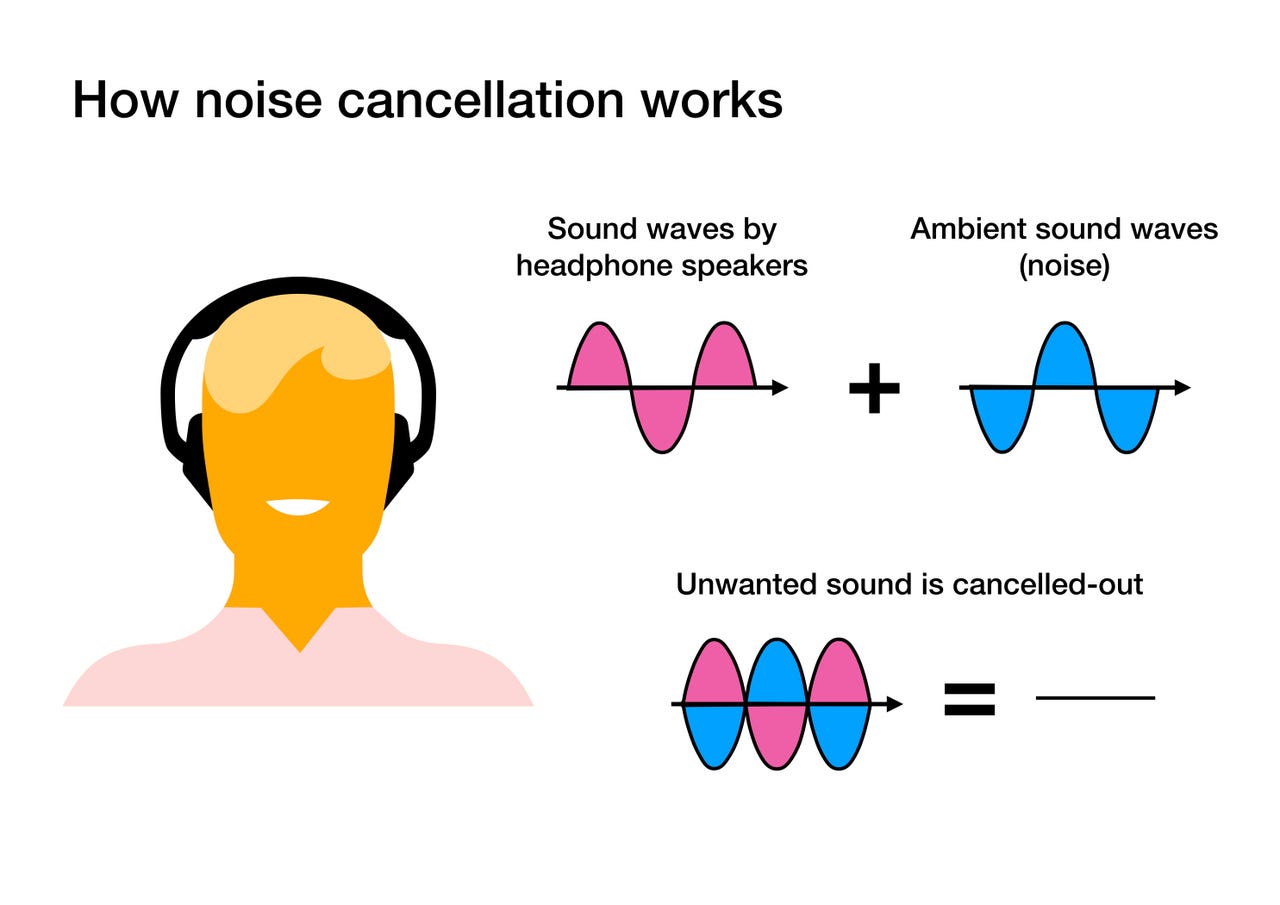
How Does Noise Cancellation Work? Unveiling the Science Behind Peace
Noise cancellation technology is fascinating, utilizing sophisticated methods to reduce or eliminate unwanted ambient sounds. At its core, it operates on the principle of destructive interference, where sound waves of opposite phases are combined, effectively canceling each other out. This process typically involves microphones that detect external noises, which are then processed by electronic circuits to generate sound waves that match the frequency but invert the phase of the incoming noise. The result is a significant reduction in background noise, providing users with a more peaceful auditory environment.
There are two primary types of noise cancellation: passive and active noise cancellation (ANC). Passive noise cancellation involves physical barriers, such as ear cups or padding, to block out sound waves through isolation. On the other hand, active noise cancellation employs electronic methods to reduce sound. Many modern headphones feature both types, offering a comprehensive approach to noise reduction. By understanding how these technologies work, consumers can make informed choices, ensuring a more tranquil listening experience, whether at home, in the office, or on the go.
Counter-Strike is a popular tactical first-person shooter game that pits two teams against each other: terrorists and counter-terrorists. Players must work together to complete objectives, such as bomb defusal or hostage rescue. For those looking to enhance their communication during gameplay, the Top 10 Earbuds for Meetings can provide optimal sound quality and clarity.
10 Surprising Benefits of Using Noise-Canceling Technology
Noise-canceling technology has revolutionized the way we experience sound in our everyday lives. While most people associate it with a better audio experience, there are 10 surprising benefits that extend far beyond just listening to music or watching movies. For instance, enhanced concentration is a significant advantage, as reducing background noise can help you focus on important tasks, be it studying, working, or even enjoying a good book. Additionally, noise-canceling headphones or earbuds can lead to improved mental health by creating a more tranquil environment, which can reduce stress and anxiety levels.
Another remarkable benefit of noise-canceling technology is its potential for better sleep quality. Many users find that utilizing noise-canceling devices during sleep can significantly block disruptive sounds, leading to more restful nights. Furthermore, noise-canceling technology is also beneficial for improving your overall hearing health. By allowing users to set their preferred sound environment, it minimizes the need to crank up the volume, protecting your ears from loud audio exposure. Overall, the benefits of using noise-canceling technology encompass a variety of aspects that enhance well-being and productivity.
Can Noise Cancellation Improve Your Mental Well-Being?
The increasing prevalence of noise in our daily environments can significantly affect mental well-being. Noise cancellation technology has emerged as a solution to counteract the challenges posed by constant auditory distractions. By using specialized headphones or earplugs that reduce ambient sounds, individuals can create a calmer auditory space conducive to relaxation and focus. Research suggests that prolonged exposure to high noise levels can contribute to stress, anxiety, and even cognitive decline. Therefore, noise cancellation may serve as a vital tool in fostering a more serene atmosphere, ultimately enhancing one's mental health.
Moreover, the benefits of noise cancellation extend beyond mere distraction elimination. Engaging in mindfulness practices or activities like meditation can be significantly more effective in a noise-controlled environment. A study conducted by researchers at the University of California found that participants who utilized noise-canceling devices reported a 30% increase in their overall mood and a decrease in stress levels. This highlights how creating a private auditory space can aid in personal reflection and emotional recovery, contributing positively to mental well-being.