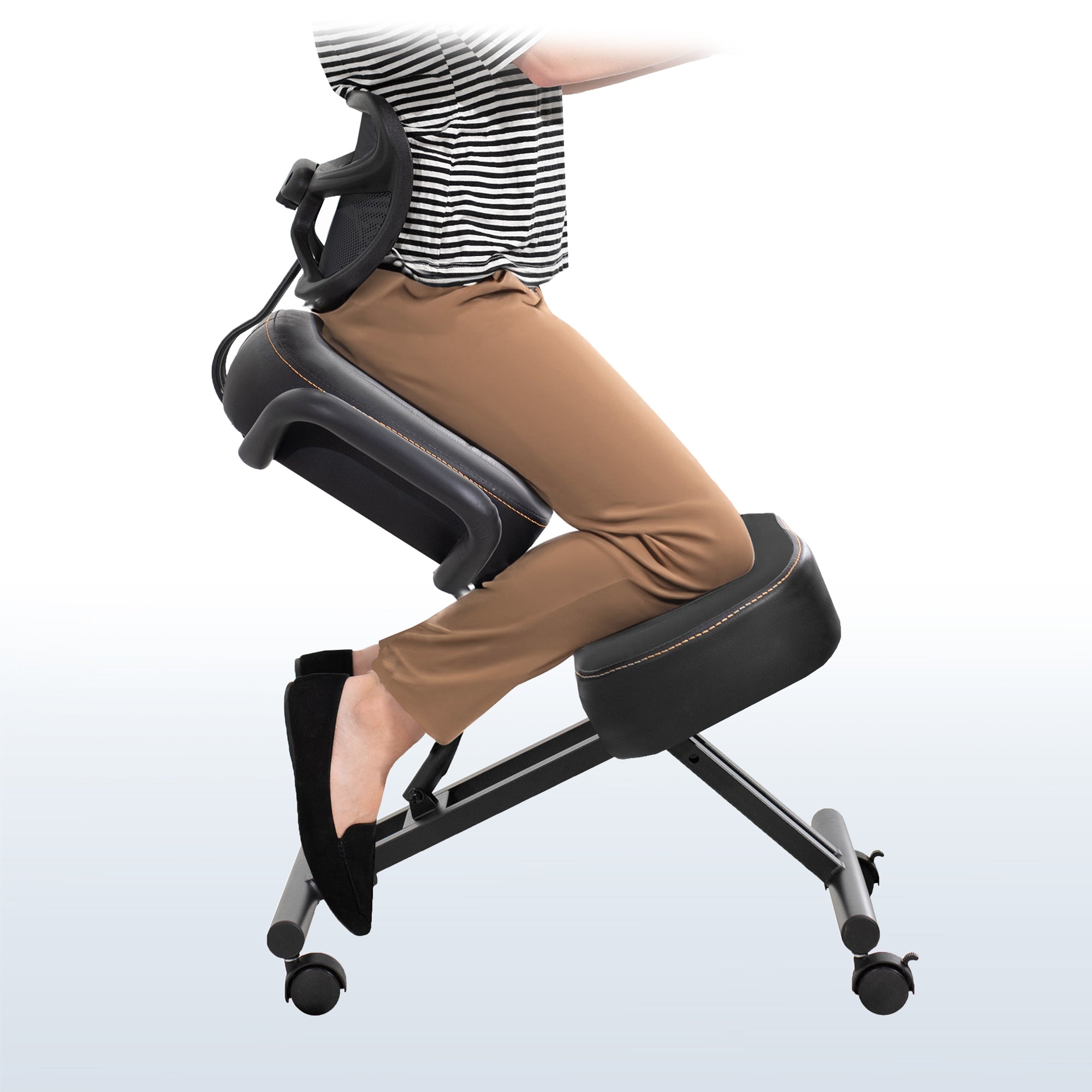
Understanding the Balance: Ergonomics vs. Overindulgence in Comfort
In today's fast-paced world, achieving the right balance between ergonomics and comfort is essential for our well-being. Ergonomics focuses on designing workspaces and tools that adapt to our bodies, reducing the risk of injury and enhancing productivity. By understanding proper posture, using adjustable furniture, and regularly taking breaks, we can create a healthier work environment. However, overindulgence in comfort can lead to negative consequences, such as poor posture and decreased motivation. This highlights the importance of integrating ergonomic principles while still allowing for moments of relaxation without sacrificing productivity.
To achieve a sustainable equilibrium, consider the following tips:
- Assess your workspace: Ensure that your chair, desk, and computer monitor are properly adjusted to your height and comfort.
- Incorporate movement: Take frequent breaks to stretch or walk, which can help alleviate stiffness and prevent discomfort.
- Invest in ergonomic tools: Utilize supportive cushions, keyboard trays, and other ergonomic accessories to enhance comfort while maintaining a healthy posture.
Counter-Strike is a popular multiplayer first-person shooter game that has captivated gamers since its initial release in 1999. Players join either the terrorist or counter-terrorist team, engaging in tactical gameplay that emphasizes strategy, teamwork, and fast reflexes. For those looking to enhance their gaming experience, consider exploring the Top 10 Home Office Setups to create the perfect environment for intense matches.
How Over-Comfortable Workspaces Can Impact Productivity
In today’s modern work environment, many companies have adopted over-comfortable workspaces with the belief that a relaxed atmosphere promotes productivity. However, studies suggest that too much comfort can lead to decreased focus and motivation. Employees may find themselves more inclined to take frequent breaks, and the cozy ambiance can inadvertently encourage distractions. For instance, an overly plush chair might draw a worker into a state of relaxation rather than engagement, ultimately stalling workflow.
Moreover, the design of an over-comfortable workspace can impact employee interactions. When teams are spread out in lounge-like areas or soft seating arrangements, collaboration may suffer. A productive environment typically includes spaces that foster communication and movement, rather than those that promote lethargy. As a result, striking the right balance between comfort and productivity is essential for maintaining high performance in any workplace.
Are You Experiencing Ergonomic Overload? Signs and Solutions
In our increasingly sedentary lifestyles, many individuals may be suffering from ergonomic overload without even realizing it. Common signs include persistent discomfort in the neck and shoulders, frequent headaches, and fatigue during work hours. If you find yourself frequently adjusting your chair or stretching your back, it might be time to assess your workspace. Additionally, ergonomic overload can lead to more serious health issues if left unaddressed, such as repetitive strain injuries or chronic musculoskeletal disorders.
Fortunately, recognizing the symptoms of ergonomic overload is the first step towards a solution. Here are some practical adjustments you can make to improve your workspace:
- Invest in ergonomic furniture: Consider using chairs and desks designed to support proper posture.
- Adjust your monitor height: Your screen should be at eye level to reduce strain on your neck.
- Take regular breaks: Standing up and stretching every hour can significantly reduce fatigue.
- Use ergonomic accessories: Items like wrist supports and footrests can enhance comfort and reduce strain.
By implementing these changes, you can significantly reduce the symptoms of ergonomic overload and improve your overall well-being.