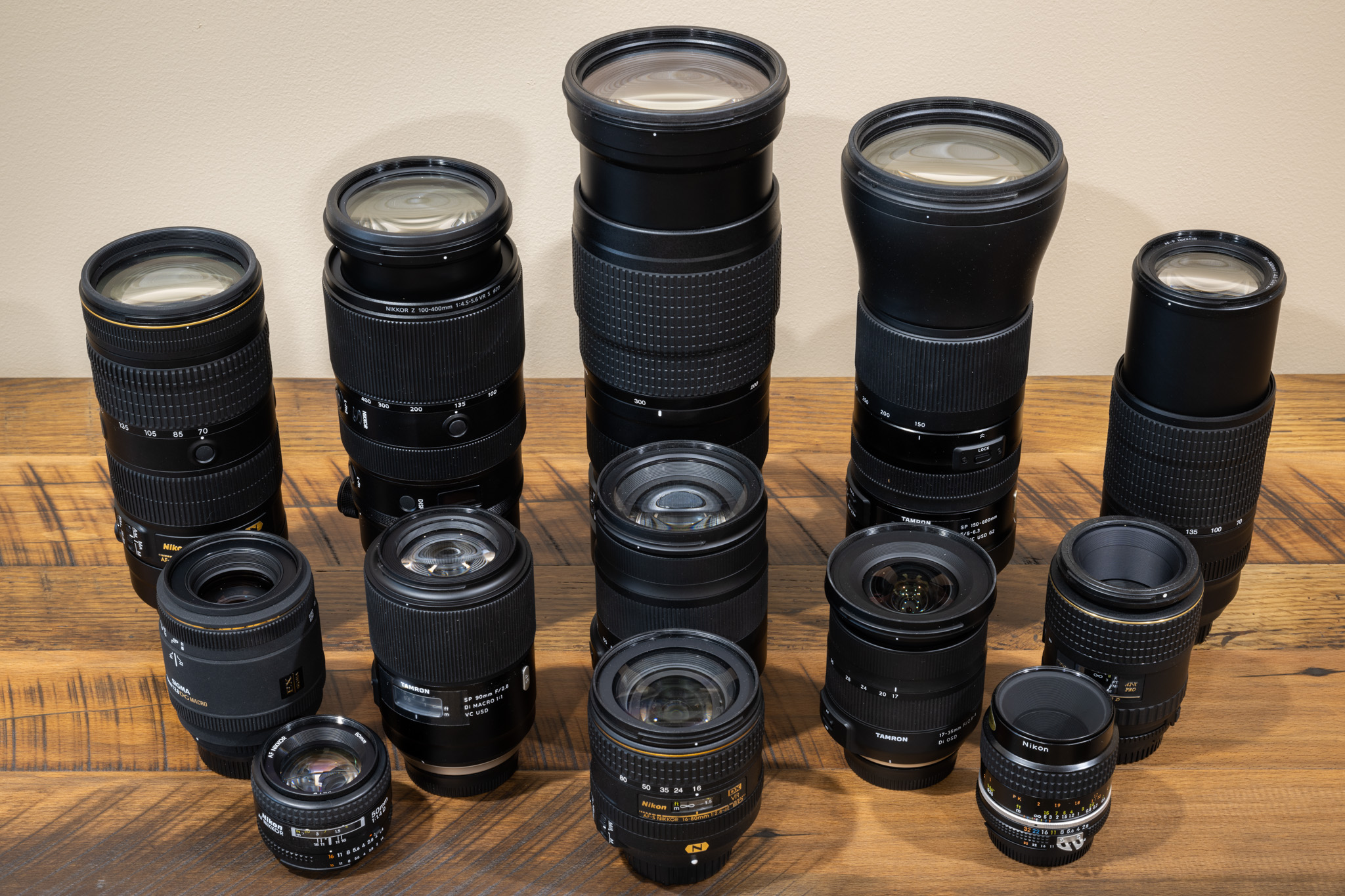
Understanding Focal Length: How It Transforms Your Photography
Focal length is a crucial element in photography that directly influences how images are captured and perceived. Measured in millimeters (mm), focal length affects the composition, perspective, and overall storytelling of a photograph. Shorter focal lengths tend to create a wider field of view, making them ideal for landscapes and group shots, while longer focal lengths allow photographers to zoom in on distant subjects, perfect for wildlife and portrait photography. Understanding how focal length impacts depth of field is equally important, as a longer focal length compresses the background, highlighting the subject and creating stunning bokeh effects.
Choosing the right focal length not only enhances the aesthetic appeal of your photographs but also conveys emotions and narratives more effectively. For instance, a fish-eye lens with an ultra-short focal length can produce creative, distorted images that captivate viewers, while a telephoto lens can isolate a subject against a beautifully blurred background. By mastering the use of focal lengths, photographers can elevate their work and create a more compelling visual story, making it an essential aspect of the art and science of photography.
Counter-Strike is a highly popular tactical first-person shooter game that has created a significant impact on the esports scene. Players can choose to play as terrorists or counter-terrorists in various game modes. For those looking to enhance their gaming setup, check out the Top 10 iphone accessories under 50 to elevate your gaming experience!
The Impact of Aperture: Mastering Depth of Field
The aperture settings of a camera play a crucial role in determining the depth of field (DoF), which refers to the distance between the nearest and farthest objects in a photo that appear acceptably sharp. A wider aperture (indicated by a smaller f-stop number, such as f/1.8) creates a shallow depth of field, allowing photographers to isolate their subjects from the background and create a pleasing bokeh effect. In contrast, a narrower aperture (like f/16) increases the depth of field, making more of the scene in focus. Mastering the impact of aperture is essential for photographers who want to control how viewers perceive the focal points within their images.
To achieve the desired effect, understanding the relationship between aperture, shutter speed, and ISO is vital. When you adjust the aperture, you must also consider how it affects exposure and motion blur. Here are a few tips for mastering depth of field:
- Experiment with different apertures to see how they affect your images.
- Use a tripod for stability at narrower apertures to avoid camera shake.
- In portrait photography, a shallow depth of field can help emphasize the subject.
- For landscape photography, a greater depth of field ensures that both foreground and background are in focus.
By mastering these techniques, photographers can effectively use aperture to enhance their storytelling through imagery.
Choosing the Right Lens for Every Photography Adventure
When it comes to photography, the choice of lens can make a significant difference in the outcome of your images. Each lens has its own characteristics that lend themselves to specific situations. For example, a wide-angle lens is ideal for capturing expansive landscapes or tight interiors, providing a broader view of the scene. Conversely, a telephoto lens allows photographers to zoom in on distant subjects, making it perfect for wildlife photography or sporting events. Understanding the strengths and limitations of each lens type is essential for choosing the right one for your next photography adventure.
Another factor to consider is the aperture size of the lens, which affects depth of field and low-light performance. Lenses with a wider aperture (lower f-stop number) are excellent for achieving that coveted bokeh effect in portrait photography, while those with a smaller aperture are preferred for landscapes, where more of the scene needs to be in focus. Additionally, prime lenses, with their fixed focal lengths, often provide superior sharpness and better low-light capabilities than their zoom counterparts. Ultimately, the right lens will enhance your creative vision and enable you to capture stunning images no matter where your photography adventure takes you.