The Temptation of the Apple: Understanding Its Symbolism and Significance
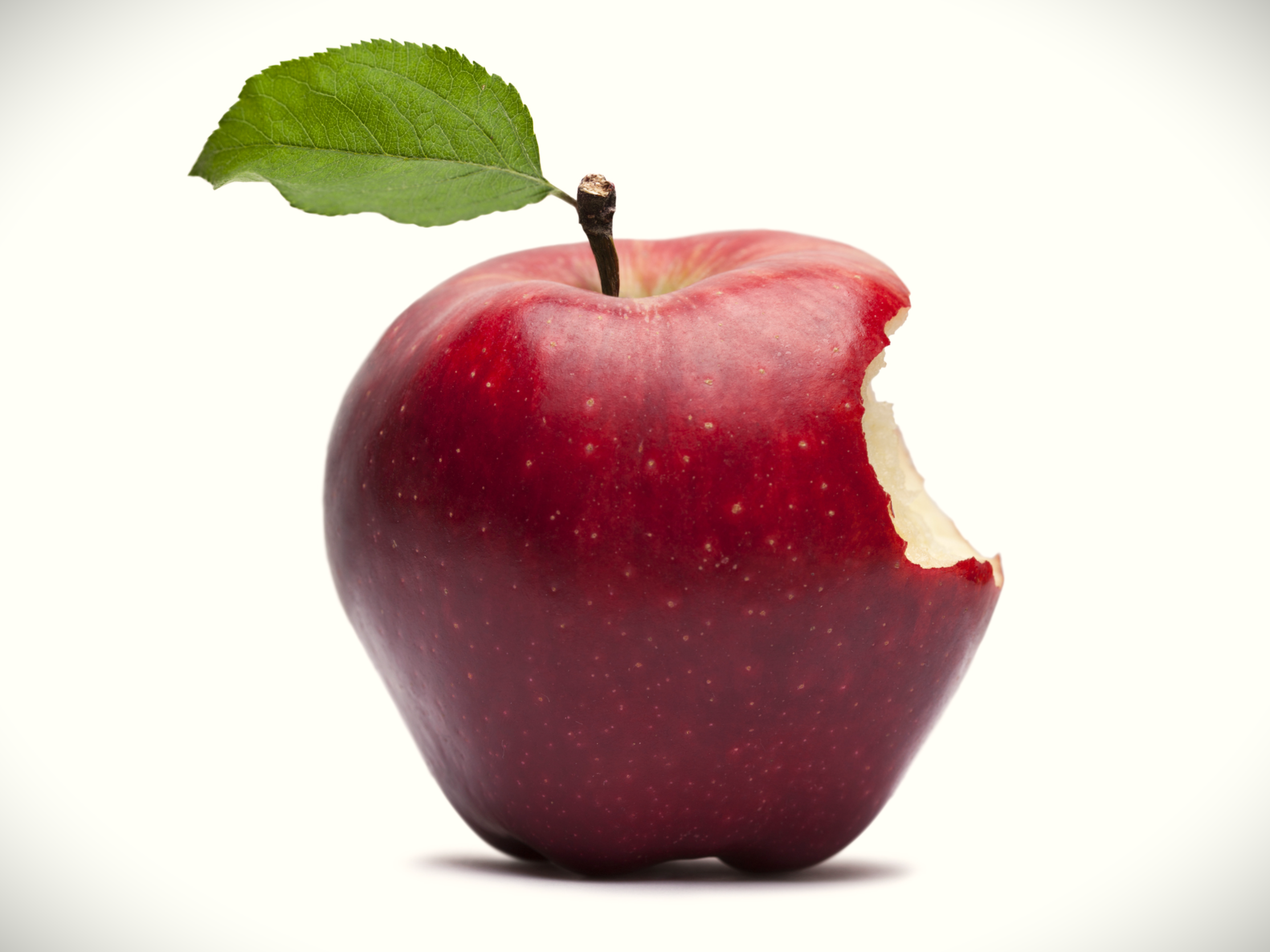
The apple, often portrayed as a symbol of temptation, has deep-rooted significance in various cultural and religious contexts. In the biblical narrative of Genesis, the apple represents the fruit of knowledge, leading to humanity's fall from grace. This interpretation has permeated literature and art, reinforcing the apple’s association with forbidden desires and the consequences of curiosity. Various depictions illustrate the tension between innocence and the lure of the unknown, making the apple a powerful emblem of choice and the moral dilemmas that accompany it.
Moreover, the apple’s symbolism extends beyond religious texts into literature, art, and modern culture. For instance, in John Milton's epic poem, Paradise Lost, the apple not only signifies temptation but also the loss of paradise and the complex nature of human free will. In contemporary discussions, the apple has also come to symbolize knowledge and innovation, representing the allure of advancement in technology and society. This multifaceted symbolism demonstrates how the apple continues to resonate across generations, making it an enduring icon of temptation and enlightenment.
Counter-Strike is a highly popular first-person shooter game that has captivated millions of players worldwide. Known for its team-based gameplay, it pits terrorists against counter-terrorists in a series of objective-based missions. The game's strategic depth and emphasis on skills make it a favorite in both casual and competitive gaming scenes. If you're looking to upgrade your gaming setup, check out the Top 10 wireless chargers for iPhone to keep your devices powered during intense gaming sessions.
Are Apples Really the Forbidden Fruit? A Deep Dive into Myth and Mythology
The notion that apples are the forbidden fruit originates from the biblical story of Adam and Eve in the Garden of Eden. While the specific type of fruit is not mentioned in the Genesis account, centuries of interpretation have linked the fruit to apples, likely due to their association with temptation and knowledge. As a result, apples have become emblematic of the concept of forbidden desires across various cultures. This connection raises questions about the nature of temptation and the symbolism that different fruits carry in mythology.
Furthermore, throughout history, apples have appeared prominently in various mythologies. For example, in Greek mythology, the golden apple was a symbol of discord, leading to the Trojan War. In contrast, in Norse mythology, the goddess Idun guarded apples that provided the gods with eternal youth. As we investigate these diverse narratives, it becomes clear that while apples may not have originated as the forbidden fruit in a religious sense, they’ve become a powerful symbol of temptation, knowledge, and the complexities of human desire across different mythological frameworks.
Exploring the Health Benefits and Risks of Eating Apples: A Balanced Perspective
Incorporating apples into your diet can yield numerous health benefits. Rich in dietary fiber, apples promote digestive health and may aid weight management due to their naturally low calories and high water content. Additionally, they are packed with essential vitamins like vitamin C and various antioxidants, which can strengthen your immune system and potentially reduce the risk of chronic diseases. Some studies suggest that regular consumption of apples is linked to a lower risk of heart disease, as their polyphenols may help to lower blood pressure and improve cholesterol levels.
However, it’s important to consider potential risks associated with eating apples. One concern is the pesticide residue found on conventionally grown fruits, which can pose health risks if consumed in large quantities. To mitigate this risk, opt for organic apples when possible or wash apples thoroughly before consumption. Furthermore, while apples are a healthy snack, overconsumption could lead to digestive issues due to their high fiber content. Thus, moderation is key to enjoying the benefits of apples while minimizing any adverse effects.